


Mixinglight - Skill Up: Fusion-Photoshop Painting/Cleaning Workflow – Part 1
https://mixinglight.com/color-grading-tutorials/raster-painting-compositing-davinci-fusion-photoshop-part-1/
VFX artist Bernd Klimm imports one frame of a painted Photoshop still (removing an object) and shows how to composite it into a moving image.
Duration: 17:16 | Skill Level: Advanced | Skills: DaVinci Resolve Fusion


Mattepaint - Quick Tips
https://mattepaint.com/academy/tutorial/quick-tips-1/
Level: Beginner | Duration: 8m 08s | Audio: English | By: Conrad Allan | Category: Photoshop
This is a combination of a few quick tips and tricks which don't really warrant their own videos. There's a bunch of tips in here a bout masking, selections, painting and brushes.
There's something for everyone in this video, as even if you know all the tools, there will likely be a new approach you've not seen!
KelbyOne - Everything Else in Lightroom Classic: Part Two
Building on Everything Else in Lightroom Classic, Part 1, Scott Kelby has assembled a new set of skills every Lightroom user should know into Everything Else in Lightroom, Part 2. This series is designed to teach you a wide range of Lightroom topics and serve as a reference for those times when you just want to dive into a specific topic, or come back and review. In this class, you can master custom file name templates, learn how to use the Map module, become more efficient with export actions, customize your default settings for raw photos, develop a smart object workflow, and a host of other killer Lightroom techniques. You’ll be amazed at how many things Lightroom can do!
KelbyOne - Everything Else in Lightroom Classic: Part One
Time to learn everything else there is to know in Lightroom! Join Scott Kelby in this class designed to teach you a wide range of specific topics every Lightroom users needs to know. You can jump in on any topic that interests you and get up to speed on that aspect of Lightroom, and use this class as a go-to resource any time you need to expand your skill set even further. Maybe you need to know how to transfer a collection of photos from one computer to another, how to get the most out of the powerful Before and After options when editing, how to find any missing photos, or finally master Lightroom’s search feature. All these topics and more have been bundled into this first part of a multi-part series of classes, so pick the topic that interest you the most and dive right in!
Groove3 - Tech House Production Explained
https://www.groove3.com/products/Tech-House-Production-Explained
Join electronic production guru Larry Holcombe for a comprehensive video course on creating and producing tech house music! In this series, you'll learn how to select and create the right instruments, work with samples and loops, add effects to build tension and add excitement, layer...

Filmmakers Academy - Commercial Production: Director & Cinematographer Workflow | Live Seminar
https://watch.filmmakersacademy.com/programs/commercial-production-director-cinematographer-workflow-live-seminar
Join Shane Hurlbut, ASC, and Jordan Brady for a transformative 2-hour seminar exploring the director-cinematographer relationship and workflow in commercial filmmaking. Previously live-streamed, this masterclass is now available to watch at your convenience on the Filmmakers Academy platform. Delve into the intricate world of creating compelling commercials, where directors and cinematographers collaborate to bring stunning visuals to life and tell captivating stories. From the initial spark of an idea to the final cut, this masterclass provides actionable
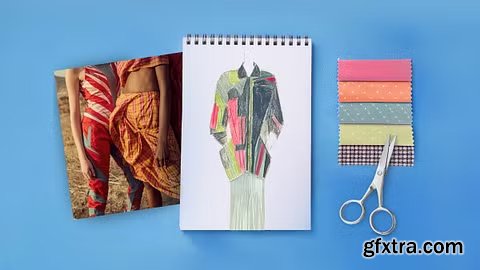
Domestika - Guided Project: Creating a Capsule Fashion Collection
https://www.domestika.org/en/courses/5733-guided-project-creating-a-capsule-fashion-collection
9 lessons (1h 36m) | Audio: Spanish, English | Subtitles: Spanish · English · Portuguese · German · French · Italian · Polish · Dutch | Level: Beginner
- Discover the fascinating world of fashion design and its power as a tool for personal expression. Learn how to create a capsule or limited-edition collection, exploring everything from initial research to conceptualization and sketching. Immerse yourself in the creative process, where each garment tells a unique story, and develop a design proposal with its own identity and originality.
- Through this course, you'll learn the technical specifications necessary to bring your ideas from paper to reality, structuring and assembling your collection in a coherent and professional manner. Develop skills to translate your concepts into sketches and manifestos, and shape a collection that reflects your vision. Fashion design becomes an exciting adventure, and upon completion, you'll have a solid foundation to continue exploring your creative abilities.
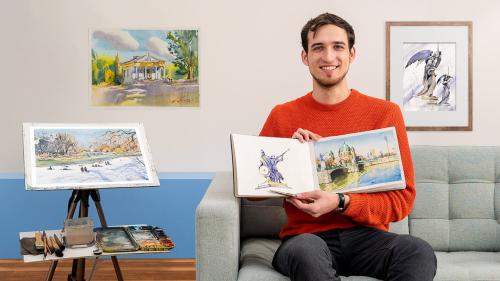
Domestika - Travel Sketches in Watercolor: Capture your Surroundings
Level: Beginner | Audio: German | Subtitles: German, Spanish, English, Portuguese, French, Italian, Polish, Dutch
https://www.domestika.org/en/courses/4291-travel-sketches-in-watercolor-capture-your-surroundings
Learn watercolor techniques to capture the color, light, and atmosphere of a place in your sketchbook
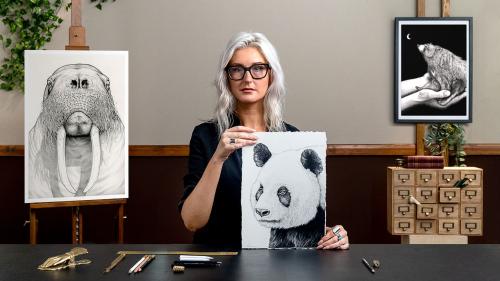
Domestika - Naturalistic Animal Drawing with Graphite Pencil
Level: Beginner | Audio: English | Subtitles: English, Spanish, Portuguese, German, French, Italian, Polish, Dutch
https://www.domestika.org/en/courses/4161-naturalistic-animal-drawing-with-graphite-pencil
Learn to draw realistic creatures by exploring traditional and contemporary techniques to create detailed pencil sketches
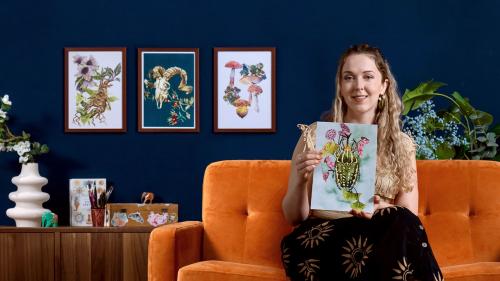
Domestika - Botanical Watercolor Painting of the Natural World
Level: Beginner | Audio: English | Subtitles: English, Spanish, Portuguese, German, French, Italian, Polish, Dutch
https://www.domestika.org/en/courses/4136-botanical-watercolor-painting-of-the-natural-world
Explore color theory, layers, composition, and texture to capture the beauty of nature through watercolor illustration
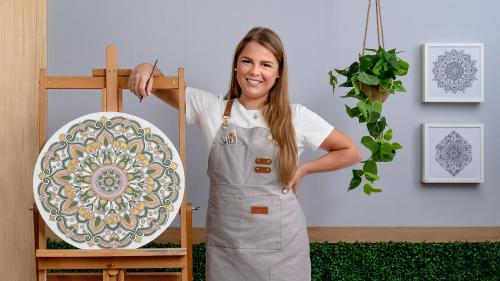
Domestika - Painting Acrylic Mandalas with Professional Techniques
Level: Beginner | Audio: English | Subtitles: English, Spanish, Portuguese, German, French, Italian, Polish, Dutch
https://www.domestika.org/en/courses/4061-painting-acrylic-mandalas-with-professional-techniques
Learn to paint long-lasting mandalas with acrylic using professional, archival techniques, from the initial pencil sketch to the finished panel painting
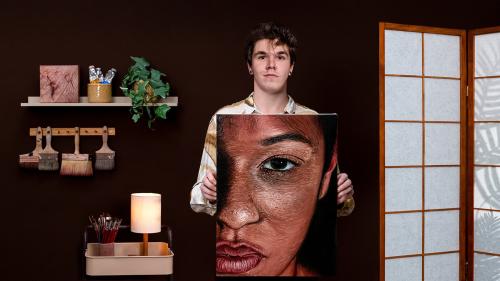
Domestika - Contemporary Hyperrealistic Portraiture
Level: Beginner | Audio: Portuguese | Subtitles: Portuguese, Spanish, English, German, French, Italian, Polish, Dutch
https://www.domestika.org/en/courses/4039-contemporary-hyperrealistic-portraiture
Learn to capture the details of the human figure with oil painting techniques and transmit emotions through your artwork

CGCookie - Introduction to Python Scripting
https://cgcookie.com/courses/introduction-to-python-scripting
"Programming" is a scary word to many artists, bringing about thoughts of unintelligible code and mystery; but it needn’t be. With some basic scripting skills we can unlock an incredibly empowering tool-set that lets us do more than ever with Blender, even bending it to our will (to a degree). The world of programming is only scary because of the unknown, when in reality it’s much more simple than most realize and it will give you more control over the tools that you use. This course is an introduction to Python scripting for Blender artists that focuses on how you can utilize the power of Python in Blender. From simple ideas like using Blender’s python console as a calculator to scripting a reusable tool (operator) that makes repetitive tasks easier for yourself. Python can be very powerful and it can benefit any Blender artist to know at least a little. By the end of this course you should be able to write a short script and even use Python to help create some artistic effects. Python is the premier programming language used by CG artists,technical artists and technical directors in the animation and VFX industries. It is used to construct complex pipelines, write tools and setup characters. Most of the major 3D Graphics suites, including Blender, have support for Python scripting.
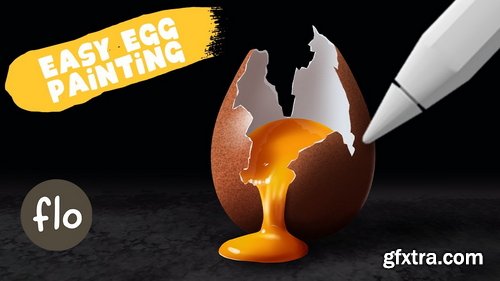
Art With Flo - Realistic Egg
https://www.patreon.com/cw/artwithflo/posts
Here's a fun, easy and satisfying tutorial for you. We'll create this realistic looking egg, I've broken it down into easy steps....
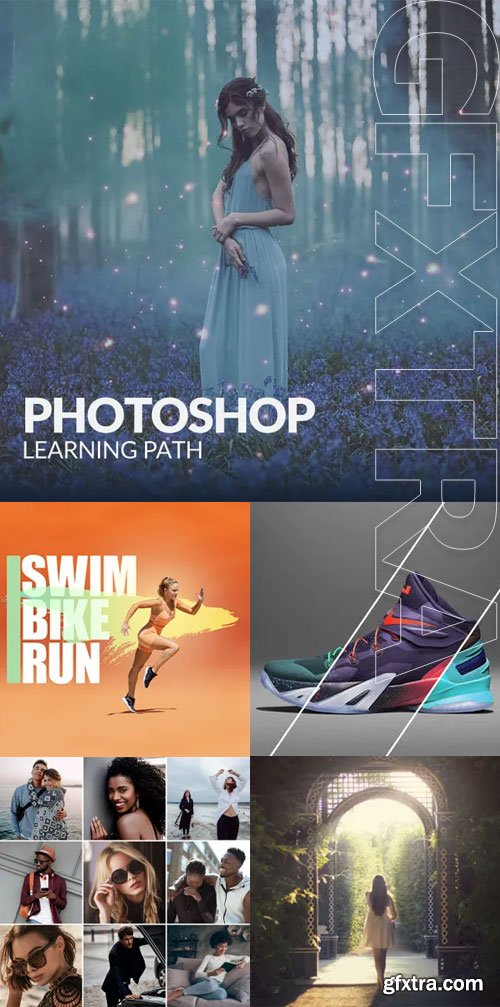
Phlearn - Photoshop Learning Path
https://phlearn.com/tutorial/learning-path-photoshop/
11 Courses | 53 Hours | 1080p | Size: 52GB
Dive into our exciting Photoshop Learning Path designed for photographers, visual artists, or anyone looking to enhance their family photos. Across 11 courses and 53 hours of engaging content, you’ll learn Photoshop’s ins and outs, master pro-level tools, and tackle fun and challenging projects. From the fundamentals to advanced techniques, this comprehensive guide will help you make the most of this powerful software and bring your creative vision to life.
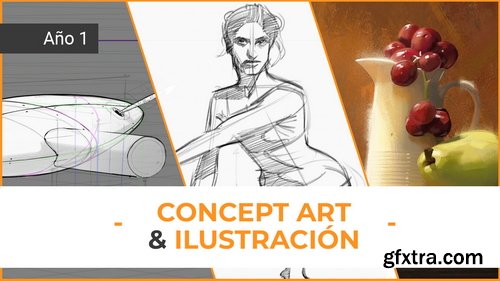
Escuela de Jean Fraisse - LA CARRERA - Año 1 - FUNDAMENTOS DE DIBUJO Y PINTURA
Jean Fraisse School - THE CAREER - Year 1 - FUNDAMENTALS OF DRAWING AND PAINTING
https://www.escuelajeanfraisse.com/hipx9yz2
Audio: Spanish | Subtitles: English BY GFXTRA
- Primero, estableceremos las bases técnicas del dibujo (trazo con línea) y de la pintura (volumen con luz y color). En el segundo semestre, practicarás los conceptos clave del desarrollo visual : diseño de personajes de escenarios, narrativa y la composición.
- First, we'll establish the technical foundations of drawing (stroke with line) and painting (volume with light and color). In the second semester, you'll practice key concepts of visual development: character design, storytelling, and composition.
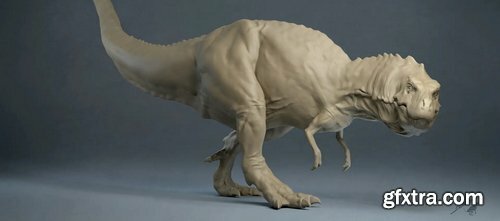
CGMA - Sculpting Anatomy from Animal to Creature
https://www.vfx.cgmasteracademy.com/courses/94-sculpting-anatomy-from-animal-to-creature
A 10-week course using anatomy foundations and design principles to model animals and create creatures
Skills Level: Intermediate | Duration: 10 weeks
- PREREQUISITES: Knowledge of ZBrush and digital sculpting strongly recommended; basic knowledge of Maya and ZBrush is required; basic knowledge of Photoshop strongly recommended; course pre-reqs include Anatomy for Production
- MATERIALS: Zbrush, Maya (3DS Max or Blender ok), & Photoshop (or equivalent software)
- In this course, students will create their own animal anatomy study in ZBrush. They will learn how to construct a model from the inside out, starting by building the skeletal system and adding muscles and skin later on. This course will also focus on portfolio by covering how to light and render a beautiful study in Maya and Photoshop. In the second part of the course, students will jump from the study to the creation process by learning how to build up their own creatures. They will create the anatomy of their own dragon and discover the workflows to sculpt details and paint accurate skin colors in ZBrush.

CGMasterAcademy - Character Texturing for Games in Substance
https://www.gameart.cgmasteracademy.com/courses/119-character-texturing-for-games-in-substance-1
A 6-week course using Substance painter to create complex materials from scratch to texture AAA game characters
Course Format: Standard | Skills Level: Intermediate | Duration: 6 Weeks
- PREREQUISITES: Basic knowledge using Zbrush , a 3d modelling package (Maya,Max,Blender etc.) ,Photoshop and Marmoset Toolbag or Unreal engine. Fundamentals of Substance, Zbrush for Concept and Iteration
- MATERIALS:Substance Painter, Zbrush, 3D Modeling package (Maya, Max, Blender, etc) Photoshop, and Marmoset ToolBag or Unreal Engine
- This course will cover how to create believable and realistic characters inside Substance Painter. During this course we will go over how to create complex materials from scratch. Texture a character while working through primary, secondary and tertiary reads, as well as painting believable skin and the maps required to supplement the shader creation in Marmoset Toolbag. We will address good practices when tackling some of the more technical aspects of texture creation for games which ranges from UV map creation, to baking our high poly sculpt to our low poly model.
- By the end of this course students will have taken multiple pieces through the process of texturing, as well as taking them to the final stages of look development and presentation. The purpose of this course is to provide students the techniques and fundamentals needed to texture AAA game characters.
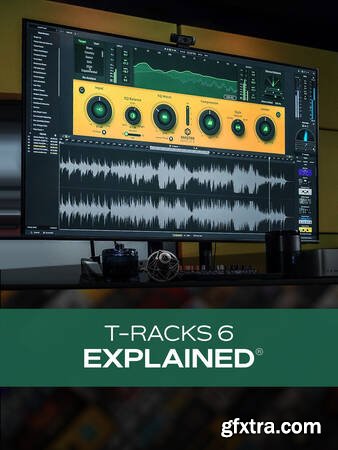
Groove3 - T-RackS 6 Explained
https://www.groove3.com/products/TRackS-6-Explained
Join veteran Groove3 instructor Eli Krantzberg for a comprehensive look at T-RackS 6, the latest stable of mixing and mastering plug-ins from IK Multimedia that provides everything you need to take your tracks across the "great mix" finish line. Eli covers what T-Racks 6 is, a fly by of...

Art With Flo - Realistic Light Bulb Painting
https://www.patreon.com/cw/artwithflo/posts
During this intermediate level tutorial we'll be creating a realistic looking light bulb. The color palette and brushes are attached....
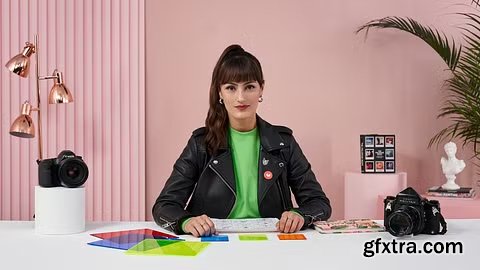
Domestika - Creative Process for Narrative Photography
https://www.domestika.org/en/courses/3846-creative-process-for-narrative-photography
20 lessons (3h 22m) | Audio: Spanish | Subtitles: Spanish · English · Portuguese · German · French · Italian · Polish · Dutch | Level: Beginner
- In this online course, you will immerse yourself in the fascinating world of narrative photography at the hands of Paula Thomas, a renowned photographer and visual artist. You will learn to create photographic series that tell captivating stories, fusing fashion and documentary in controlled environments with staging. Become an expert in the construction of visual works with their own content and style.
- Discover how to structure your story using resources such as light, color and the direction of characters. You will learn to conceptualize your ideas, create storyboards, organize your inspirations and develop an effective shooting process. In addition, you will explore post-production techniques and presentation of your work. Immerse yourself in this unique experience and unlock your imagination to create memorable visual stories.
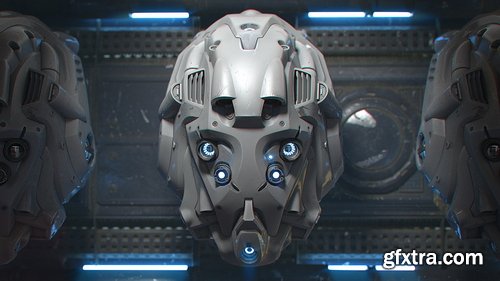
CGCookie - Modeling a Sci-Fi Helmet in Blender
https://cgcookie.com/courses/modeling-a-sci-fi-helmet-in-blender
- It’s a special time in every Digital Artist’s journey when the desire to design and build a space marine’s helmet is overwhelming. And that time is now. Take a moment to be inspired by the great sci-fi space marine designs from Blizzard, Mike Nash, Vitaly Bulgarov, Fausto De Martini, and others. The fact is, hard-surface-sci-fi-space-marine stuff is cool. So let’s create some of our own! Sculpting This in-depth course is about freeing your inner sci-fi designer nerd through conceptual sculpting and complex modeling. First we’ll approach the design of a custom helmet with Blender’s dynamic topology sculpting along with a useful addon called Sculpt Tools UI. This addon comes with several great tools, but mostly we’ll be focusing on two of them: - Grease Cut for to quickly slicing our digital ball into faceted shapes. - Extract Mask for easily generating additional pieces of digital clay.
- Modeling After concept-sculpting the helmet, we want to convert it to a high fidelity polygonal model complete with stream-lined topology and fine details. We begin this process by retopologizing the main structures. Retopology is important because the conversion from sculpture to model legitimizes the hard-surface structure by eliminated bumpiness associated with digital sculpting and improves sharp edge consistency. With the main structures rebuilt, we will polish off the helmet with very fine mechanical details like sprockets, plugs, clips, and screws. This final touch really helps to anchor our design into plausibility, which is a key characteristic of the sci-fi genre.

Udemy - Sıfırdan Uzmanlığa Microsoft Excel
Language: Türkçe
Sıfırdan başlayarak ileri seviyeye kadar Microsoft Excel'i tüm yönleriyle eksiksiz öğrenin.
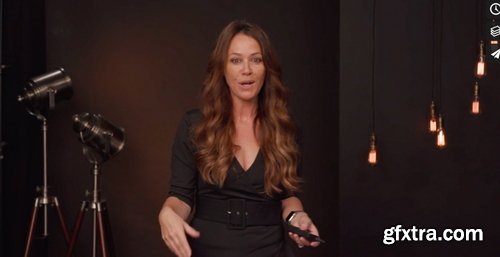
Theportraitsystem - Gorgeous Shoot with Sue
https://theportraitsystem.com/course/11242020/
1 detailed video - 1 hour, 02 minutes of video | RAR 1.1 GB
126,000 Royalty-Free 3D Model
Udemy Türkçe


Top Rated News
- CreativeLive Tutorial Collections
- Fasttracktutorials Course
- Chaos Cosmos Library
- MRMockup - Mockup Bundle
- Finding North Photography
- Sean Archer
- John Gress Photography
- Motion Science
- AwTeaches
- Learn Squared
- PhotoWhoa
- Houdini-Course
- Photigy
- August Dering Photography
- StudioGuti
- Creatoom
- Creature Art Teacher
- Creator Foundry
- Patreon Collections
- Udemy - Turkce
- BigFilms
- Jerry Ghionis
- ACIDBITE
- BigMediumSmall
- Globe Plants
- Unleashed Education
- The School of Photography
- Visual Education
- LeartesStudios - Cosmos
- Fxphd
- All Veer Fancy Collection!
- All OJO Images
- All ZZVe Vectors
- CGTrader 1 CGTrader 2



















