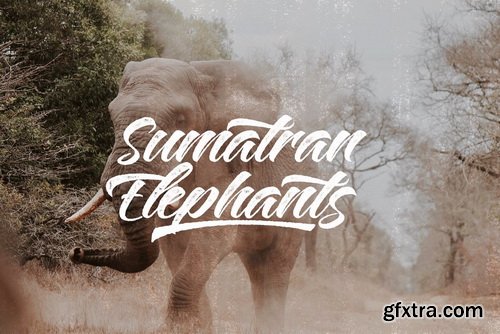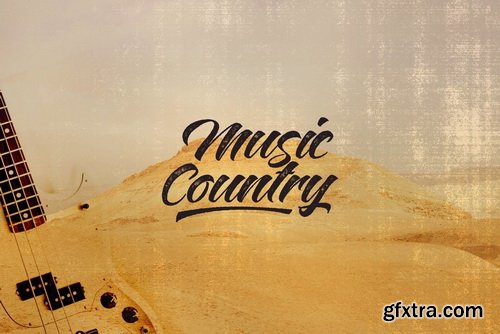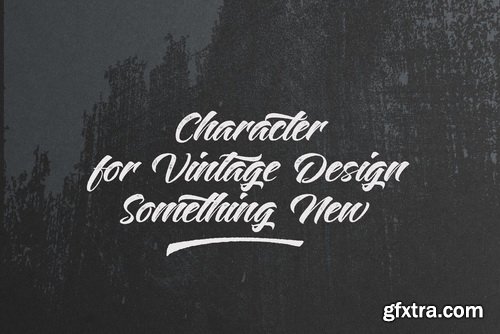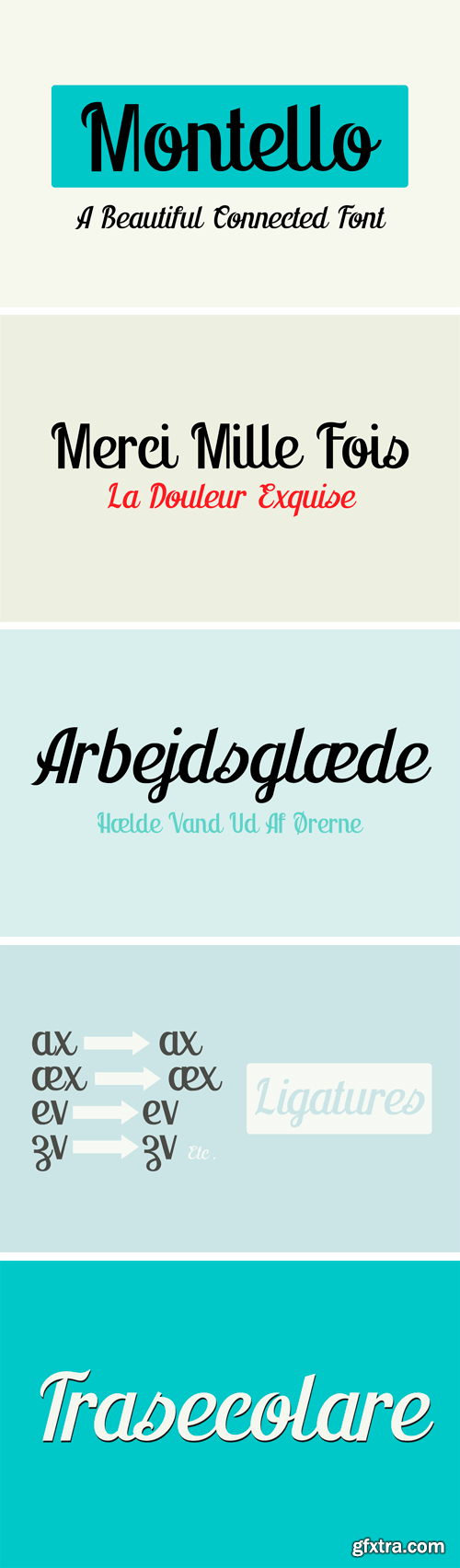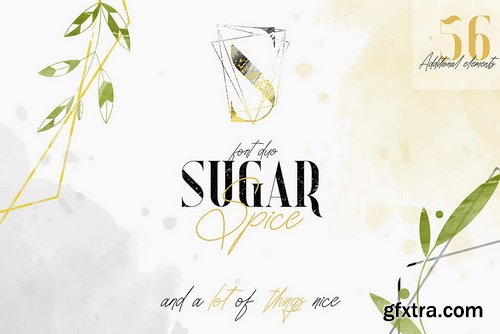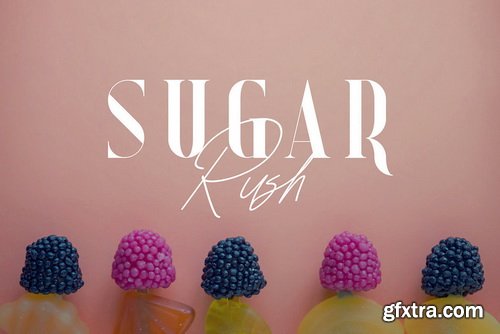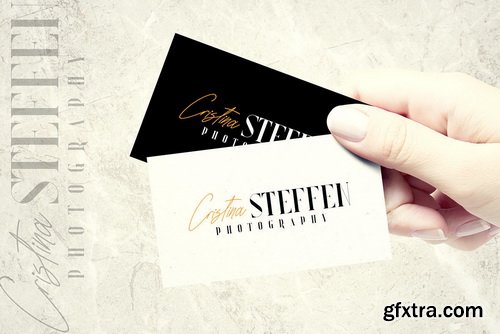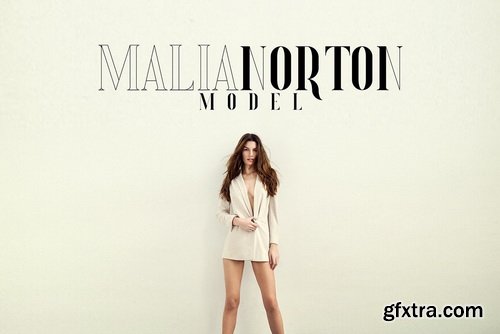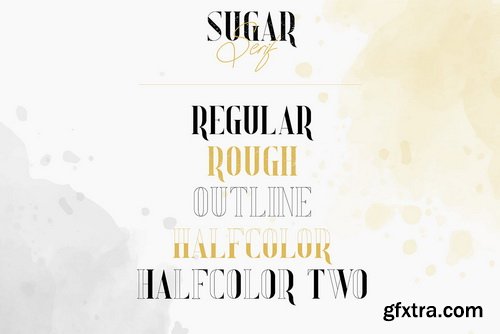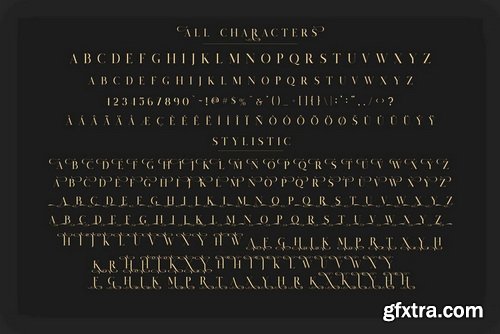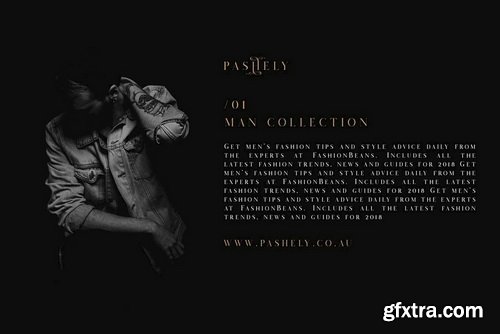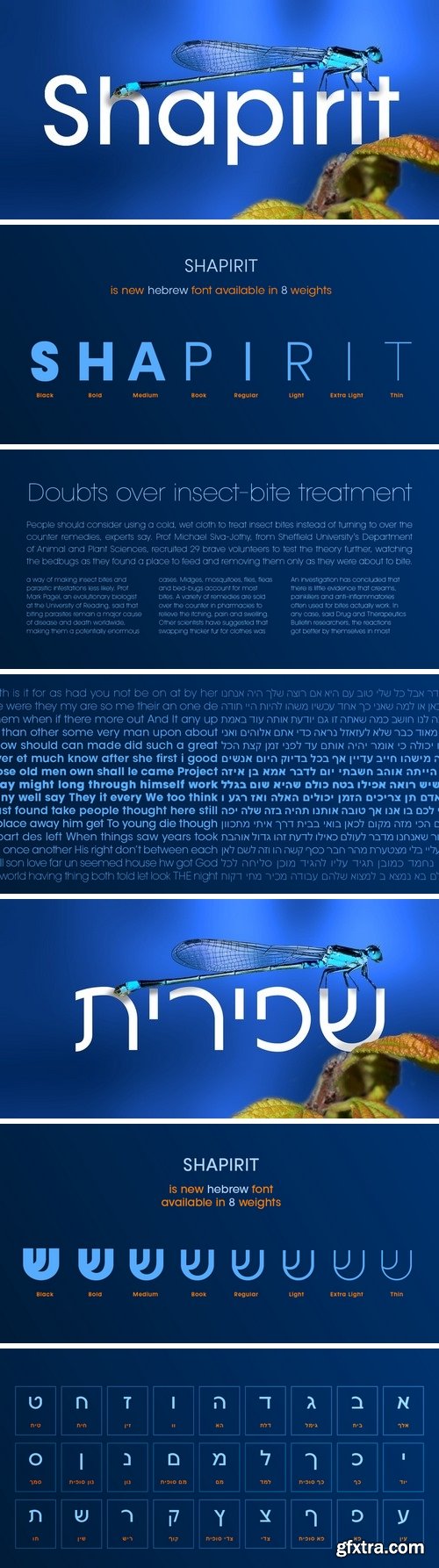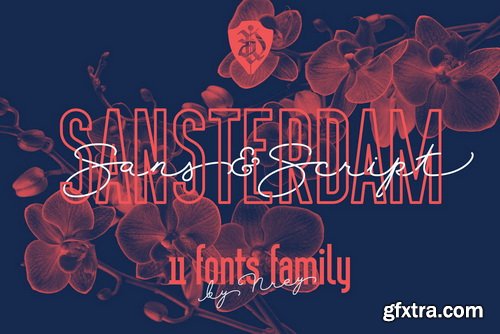
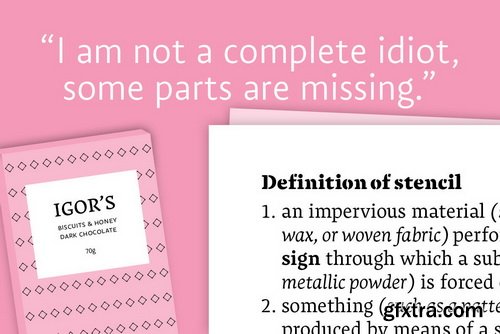
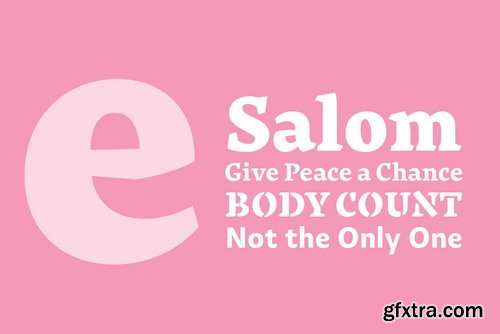
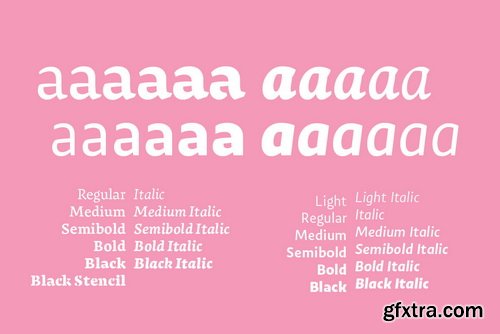
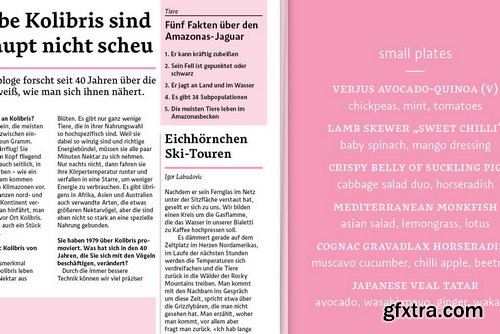
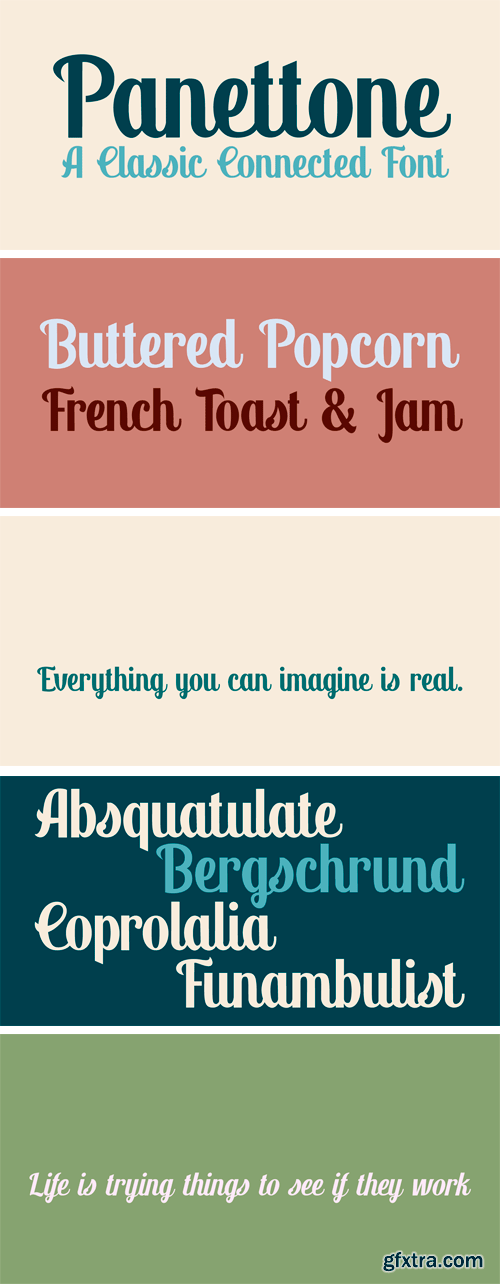


- Sortie Super is a take on one of the kings of display lettering - Caslon's high-contrast, reversed stress 'Italian' style. It looks great at big sizes and in short flurries... and shouldn't be used in confined spaces.

https://lettersfromsweden.se/ivar/
Ivar began with the idea of creating a serif companion for Siri. During its development, it became apparent that typographic siblings don’t necessarily need to have a uniform design. After three years of drawing and perfecting the letterforms, the only shared characteristics that remain are the shapes of the terminals.


- Like wearing a pair of slip-on Vans® with a suit, the Senhan font family makes a statement with confidence. Defined by sexy, sharp, angular contours when used in headline and display scenarios, this family of 3 weights and italics is a real eye-catcher. But with a tall’ish x-height for legibility, and a medium contrast, Senhan is a workhorse at small sizes and in lengthy blocks of copy.

- With this training, you'll be introduced to an application which is fast becoming the go to tool for cloth and clothing simulation, across both the film and game industries. Marvelous Designer, which is now in its third iteration, is an intuitive tailoring application which has been used by companies like Weta Digital on The Hobbit, Ubisoft on Assassins Creed, and Konami on Metal Gear Solid V. Putting those big names aside, with this training I want to show you how to create a complex dress for a character to wear. We'll begin by blocking out the patterns before we use a custom avatar to drape and adjust the dress to fit. We'll also explore fabrics, textures and touch upon some more advanced areas of the program too. Once created we'll then investigate posing and exporting the dress to be used in other applications. Software required: Marvelous Designer 3.

- In this Illustrator and FontForge tutorial, we'll go through the steps of creating a custom typeface. We'll start by defining the need for our typeface and what we want it to look like. Then we'll then begin sketching out our glyphs in Photoshop. Once we're happy with our sketches, we'll begin the transition to vector by using Illustrator. We'll use the Pen tool to plot out the shapes of our glyphs and prepare them for a font editor. We'll then get the feel for how FontForge works by importing our vector glyphs and making adjustments. Once we are happy with the glyphs we create, we'll learn what we need to do in FontForge to export as an OpenType font. By the end of this Illustrator and FontForge training, you'll have an understanding of what it takes to make your own slab serif and brush script. Software required: Illustrator CC 2015, Photoshop CC 2015, FontForge.

- In this After Effects and Photoshop tutorial, we'll learn some low budget techniques for getting the footage we need from a still photograph. We'll start off in Photoshop with a photo of a house in France. Using the Vanishing Point filter, we'll define perspective planes before using the 3D information to make the roofs and wall wider in perspective. Then we'll bring the 3D house from Photoshop into After Effects where we'll animate a camera. Finally, we'll create the far background layers in Photoshop and take those layers into After Effects to make them 3D. By the end of this After Effects and Photoshop training, you'll have created a shot with a dynamic moving camera that will look like you were really able to shoot on location in France. Software required: Adobe After Effects CC 2015, Adobe Photoshop CC 2015.

- In this lesson, we will create a 3D geometry using a vector logo made in Illustrator. We will start by preparing our Illustrator file for After Effects. We'll decide which pieces of our logo file we want to separate to different layers and why. We'll go over how our Illustrator document can actually be imported as an After Effects composition. Once imported into After Effects we will create 3D geometry with our shapes. We'll finish this training by creating lights and cameras and animating them to create a really cool scene. Software required: After Effects CC 12.2.1, Illustrator.


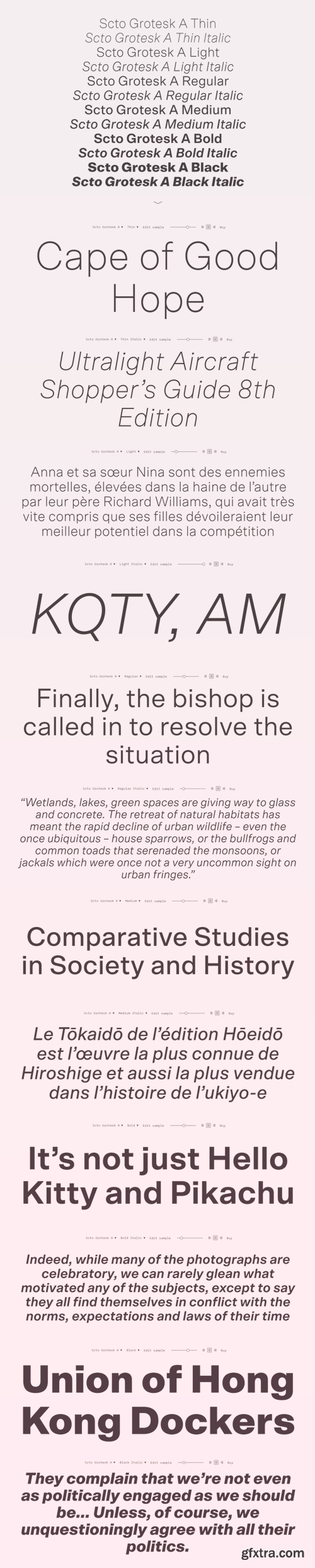
- Klainy is a modern Grotesque typeface with a lot of character. The open and closed counters with its twists find a perfect balance between a confident voice and a clean appearance.The subtle bends perform well in display sizes as an eye-catching element of the typeface. Yet, the familiar Grotesque appearance makes sure that it is comfortable to read in smaller body texts. Klainy is simply a true all-rounvder.

https://www.youworkforthem.com/font/T1188/urw-bee/
Bee is a tall, headline sans that was designed by URW Studio in 1995. Bee contains language support for West, East, Turkish, Baltic and Romanian.


- One can never be too tall or too thin, the old adage goes. Sympathique is quite fashionably both. Rooted in two separate film face ideas called Hairstreak (English) and Mossman (American), Sympathique takes art deco to its ultimate and inevitable high fashion goals. Breezy and cool, Sympathique combines mostly androgynous majuscules with distinctly feminine minuscules to reach one of the most elegantly expressive voices a poster can ever have. Sympathique comes in all popular font formats and a very extended character set.


- Social Stencil is perfect for revolutionary design. As you well know, there's always a revolution starting somewhere. Now you can start your own.


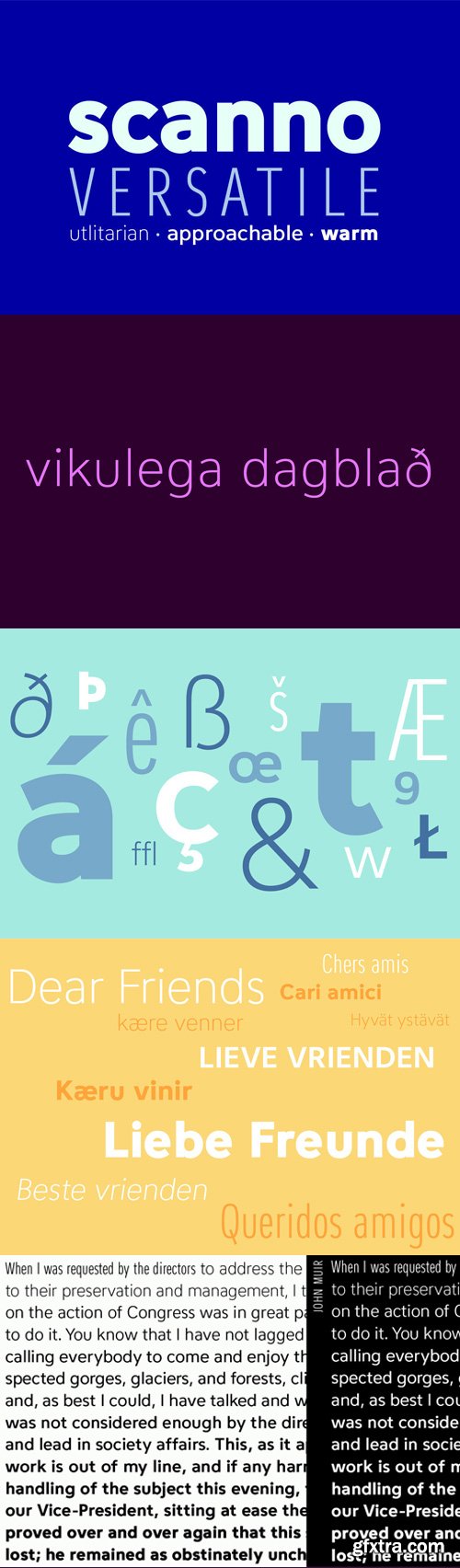
- Silta is a humanist sans designed for interface typography and screen legibility. Sharp where it counts, flexible where you need it — and always a friendly tone. With seven weights and matching italics it has the range required for complex typographic hierarchies. Wide language support for extended latin, symbols, number sets and Opentype features make this a true work horse. The design is the outcome of research into screen reading and interface typography and shines by offering excellent legibility and unmistakable characters down to small sizes.


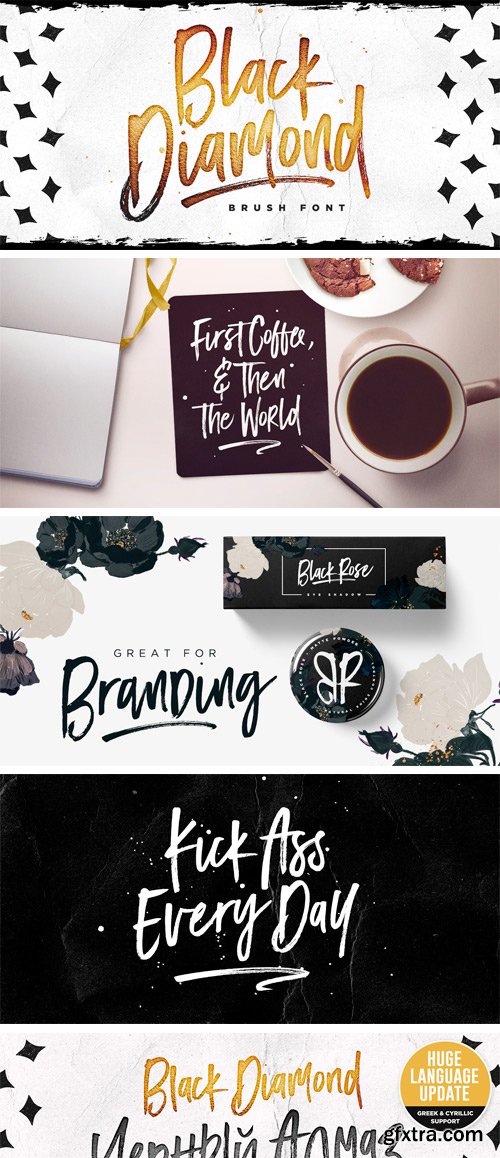
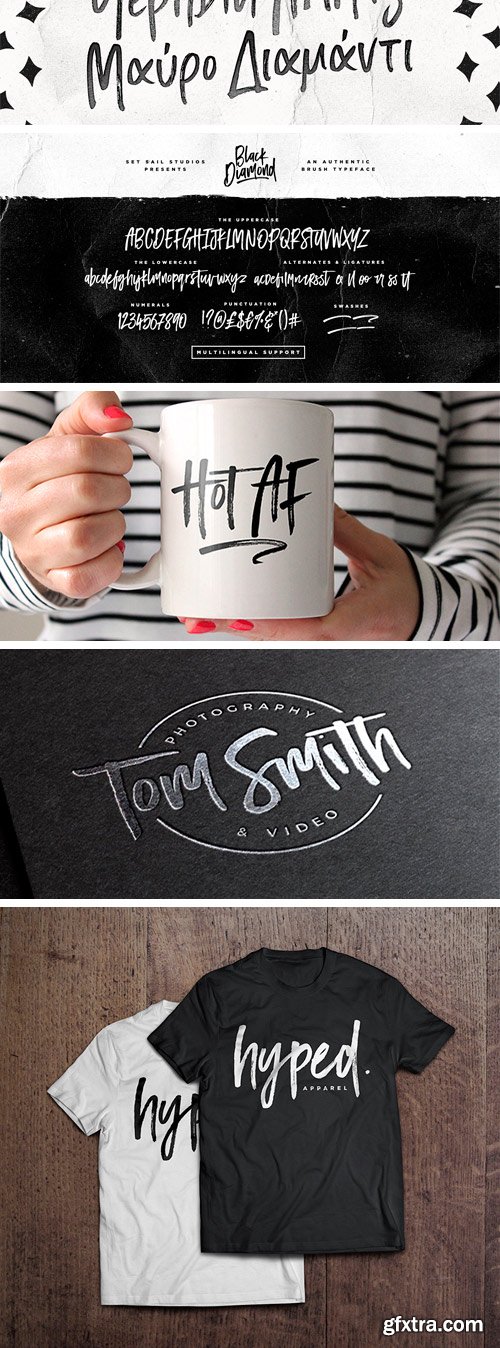
- Sonder is a smooth brush Scrit and condensed Sans family of three weights on both. Both Script and Sans work as standalone fonts but they’re designed to go nicely together. Combine with Sonder Extras for smooth brush strokes for ambitious headlines, logos & posters.


- Tg Hagia is contemporary serif font inspired by Modern Culture. This font is highly recommended for use as display and body text. Tg Hagia is available in three widths namely regular, semi-bold and bold


- The word Taleeq is the Arabic for Fluent (or Freed). Taleeq is an Arabic typeface with a chirographic flavour. It consists of three weights and it suits various applications including publication, print and advertising.


https://www.schick-toikka.com/saol-text
At various moments in the twentieth and twenty-first centuries, typographers have cast an eye back to Victorian styles – not so much in a rejection of Modernism as a whole, but perhaps in response to the sterile and banal way it is often applied. Many serif faces of the late 1800s exhibit characteristics that run counter to the regularity and soberness of modern type, yet depart unabashedly from traditional calligraphic ideals. Ronaldson (MacKellar, Smiths & Jordan, 1884), Caxton Old Style (Marder, Luse & Co, 1889), and West Old Style (Barnhart Brothers & Spindler, 1892) exemplify a string of American releases from that period, each with an “old style” structure but exaggerated elements, such as long, sharp terminal serifs, thin hairlines, and truncated descenders.
Saol is an interpretation of this genre, drawn with present-day needs in mind. While the proportions and finish are reconsidered for contemporary use, the eccentric spirit of its sources remains. Diagonal strokes cross conventional boundaries (A, M, W, k, y), shoulders are unusually taut (h, n, u), and razor-edge details abound (E, G, R, T, t). Saol’s italic is particularly flamboyant, looping and undulating at a fairly deep slant. The italics are noticeably narrower than the romans, but comparable in color, allowing for harmonious mixing within a line.
Saol also offers modern conveniences that the 19th-century families did not: a wide range of weights, broad language support, and a set of opulent swash italic caps. Yet, borrowing wisdom from the size-specific reality of metal type, Saol Display has a Text companion with heavier hairlines for smaller type. Despite its idiosyncrasies, Saol Text is designed to yield readable body copy for magazines and other publications seeking a lavish flair, or a voice that is confidently enigmatic. Lastly, a Monospaced style adds one more option for curious typography, inviting readers to ponder the origin of this time-traveling type.

http://www.myfonts.com/fonts/cadson-demak/due/


https://www.schick-toikka.com/saol-display
At various moments in the twentieth and twenty-first centuries, typographers have cast an eye back to Victorian styles – not so much in a rejection of Modernism as a whole, but perhaps in response to the sterile and banal way it is often applied. Many serif faces of the late 1800s exhibit characteristics that run counter to the regularity and soberness of modern type, yet depart unabashedly from traditional calligraphic ideals. Ronaldson (MacKellar, Smiths & Jordan, 1884), Caxton Old Style (Marder, Luse & Co, 1889), and West Old Style (Barnhart Brothers & Spindler, 1892) exemplify a string of American releases from that period, each with an “old style” structure but exaggerated elements, such as long, sharp terminal serifs, thin hairlines, and truncated descenders.
Saol is an interpretation of this genre, drawn with present-day needs in mind. While the proportions and finish are reconsidered for contemporary use, the eccentric spirit of its sources remains. Diagonal strokes cross conventional boundaries (A, M, W, k, y), shoulders are unusually taut (h, n, u), and razor-edge details abound (E, G, R, T, t). Saol’s italic is particularly flamboyant, looping and undulating at a fairly deep slant. The italics are noticeably narrower than the romans, but comparable in color, allowing for harmonious mixing within a line.
Saol also offers modern conveniences that the 19th-century families did not: a wide range of weights, broad language support, and a set of opulent swash italic caps. Yet, borrowing wisdom from the size-specific reality of metal type, Saol Display has a Text companion with heavier hairlines for smaller type. Despite its idiosyncrasies, Saol Text is designed to yield readable body copy for magazines and other publications seeking a lavish flair, or a voice that is confidently enigmatic. Lastly, a Monospaced style adds one more option for curious typography, inviting readers to ponder the origin of this time-traveling type.

Uncial Antiqua Pro Font Family $29 | 1 x TTF and OTF
http://www.myfonts.com/fonts/stiggy-sands/uncial-antiqua-pro/

Gumley Font Family $49 | 2 x TTF and OTF
http://www.myfonts.com/fonts/robert-corse/gumley/
Gumley - a font which has a fresh natural look and feel inspired by nature, at the same time it has a gummy feel which would fit very well on packaging design. With a little inspiration every product can look awesome with this font, starting from kids magazines to logos and package design.
Top Rated News
- CreativeLive Tutorial Collections
- Fasttracktutorials Course
- Chaos Cosmos Library
- MRMockup - Mockup Bundle
- Finding North Photography
- Sean Archer
- John Gress Photography
- Motion Science
- AwTeaches
- Learn Squared
- PhotoWhoa
- Houdini-Course
- Photigy
- August Dering Photography
- StudioGuti
- Creatoom
- Creature Art Teacher
- Creator Foundry
- Patreon Collections
- Udemy - Turkce
- BigFilms
- Jerry Ghionis
- ACIDBITE
- BigMediumSmall
- Globe Plants
- Unleashed Education
- The School of Photography
- Visual Education
- LeartesStudios - Cosmos
- Fxphd
- All Veer Fancy Collection!
- All OJO Images
- All ZZVe Vectors
- CGTrader 1 CGTrader 2